

 By
By Table of Contents
Introduction to Damascus Steel
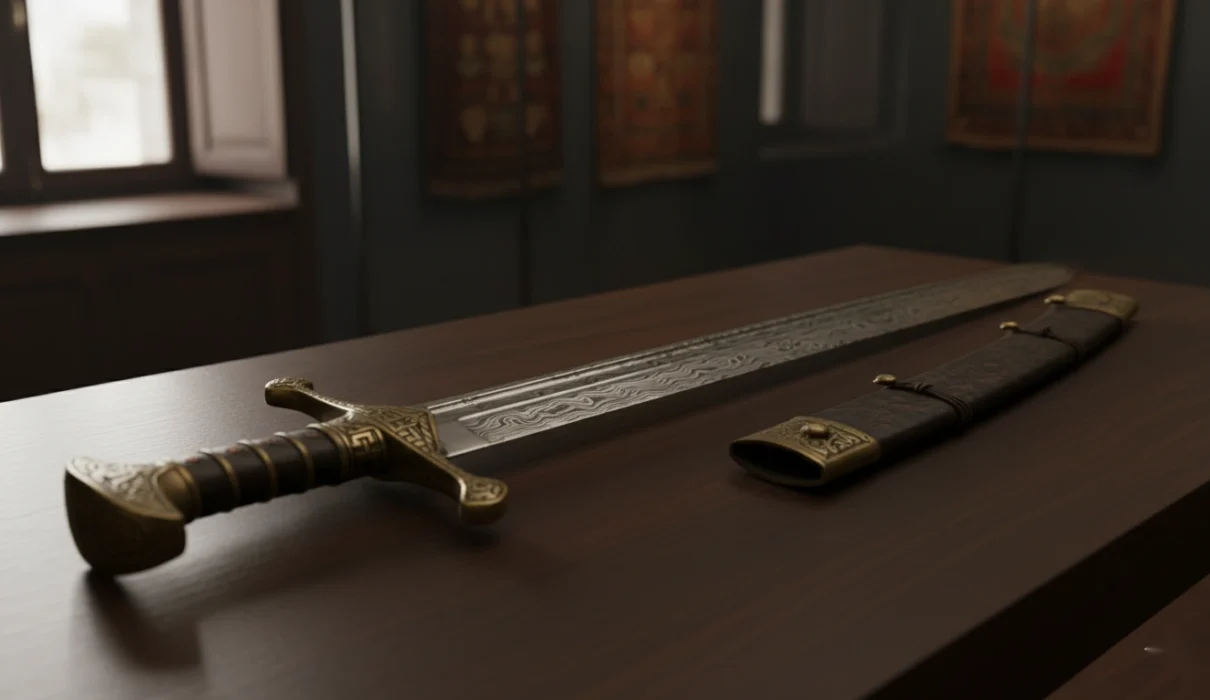
Damascus steel is one of the most talked-about materials in sword making. Historically, Damascus steel swords were valued for their cutting ability, durability, and balanced structure. These blades earned trust in real combat, not because of appearance, but because of how the steel performed under pressure.
In modern times, Damascus steel is often misunderstood. Some see it as only decorative, while others believe it has legendary powers. This guide explains Damascus steel as a functional sword material, covering its metallurgy, mechanical properties, historical use, and relevance in modern sword making.
We cover the material and performance here. For a detailed explanation of common blade designs, visit our Damascus steel patterns guide.
Historical Background of Damascus Steel Swords
The earliest form of true Damascus steel originated in India and Sri Lanka through a crucible steel process known as Wootz steel. This method allowed carbon to distribute evenly within molten iron, producing a high-carbon steel with strong internal structure.
Wootz steel ingots were traded to the Middle East, where expert swordsmiths forged them into blades used across Persia, Arabia, and the Islamic world. These swords gained fame for their sharp edges, resistance to breaking, and long service life. European soldiers during the Crusades recorded encounters with Damascus swords and noted their superior performance compared to many medieval European blades.
How Damascus Steel Swords Were Manufactured
Traditional Sword-Making Process
Traditional Damascus swords were forged from Wootz steel ingots using controlled heating and careful hammering. The forging temperature played a critical role in maintaining the steel’s internal strength. Improper forging could weaken the blade or reduce its durability.
This method required advanced metallurgical knowledge, even if it was based on experience rather than modern science.
Modern Damascus Steel Production
Most modern Damascus steel swords are produced using pattern-welded steel. This process involves stacking different steel alloys, forge welding them together, and repeatedly shaping the blade. The goal is to combine hardness for edge retention with toughness for shock resistance.
Modern Damascus steel is not identical to ancient Wootz steel, but high-quality examples can still produce strong and reliable swords.
Metallurgical Properties: Strength, Hardness, and Flexibility
From a metallurgical perspective, Damascus steel offers a balanced structure that suits sword use.
- Edge hardness allows the blade to stay sharp after repeated cuts
- Tensile strength helps the sword withstand impact forces
- Flexibility and toughness reduce the risk of cracking or catastrophic failure
This balance made Damascus steel suitable for slashing weapons, curved blades, and long swords that required both cutting power and durability.
Advantages of Damascus Steel as a Sword Material
When properly forged, Damascus steel provides several advantages:
- Strong edge retention compared to low-carbon steels
- Better impact resistance than overly hard steels
- Balanced performance for cutting and durability
- Historical authenticity and traditional craftsmanship
- High value for collectors and custom sword buyers
These features explain why Damascus steel remains popular in both historical replicas and modern custom swords.
Disadvantages and Practical Limits
Despite its reputation, Damascus steel has limitations:
- Higher cost due to labor-intensive forging
- Performance varies based on steel quality and heat treatment
- High-carbon composition makes it prone to corrosion
- Modern alloy steels can offer more consistent results
Buyers should verify whether a Damascus sword is functional or decorative before purchase.
Famous Sword Types Made From Damascus Steel
Damascus steel was historically used in many well-known sword types, including:
- Persian shamshirs
- Middle Eastern scimitars
- Indian talwars forged from crucible steel
- Ceremonial blades for nobility and military leaders
Surviving Damascus swords are often preserved as historical artifacts due to their craftsmanship and cultural value.
Use of Damascus Steel in Modern Sword Making
Today, Damascus steel is used mainly in:
- Custom functional swords
- Collector and presentation swords
- High-end historical replicas
Many professional sword makers prefer modern carbon steel or spring steel for heavy cutting practice, as these materials provide predictable performance and easier maintenance.
Who Should Choose Damascus Steel
Damascus steel is a good choice for:
- Sword collectors and historians
- Enthusiasts interested in traditional metallurgy
- Buyers seeking handcrafted or premium blades
- Owners willing to maintain high-carbon steel
It may not be ideal for beginners or users looking for low-maintenance swords.
Common Myths and Misconceptions
Myth: Damascus steel is unbreakable
Reality: It is durable, but all steel has limits.
Myth: All Damascus swords are ancient or rare
Reality: Most are modern reproductions.
Myth: Damascus steel is always better than modern steel
Reality: Modern alloys often outperform it in controlled use.
Conclusion
Damascus steel remains one of the most respected materials in sword history. Its reputation comes from real battlefield use, advanced traditional metallurgy, and balanced mechanical properties. While modern steels provide greater consistency, Damascus steel continues to appeal to collectors and enthusiasts who value historical accuracy and skilled craftsmanship.
Understanding Damascus steel beyond surface appearance allows buyers to make informed decisions and appreciate its true role in sword making.
Frequently Asked Questions
Is Damascus steel suitable for real combat or cutting practice?
Yes, if the sword is properly heat treated and made for functional use.
Does Damascus steel require special care?
Yes. Regular oiling and dry storage are necessary to prevent rust.
Is Damascus steel stronger than carbon steel?
Not always. Performance depends on heat treatment and steel quality.
Why do Damascus swords cost more?
Because of skilled labor, layered forging, and longer production time.
