

 By
By Table of Contents
Introduction
The Mughal era was one of the most powerful and artistic periods in Indian history. From the time of Babur in 1526 to the rule of Aurangzeb in the early 1700s, the Mughal Empire shaped warfare, culture, art, and craftsmanship across the Indian subcontinent.
Among the many weapons used in this period, swords held a special place. They were not only tools of war but also symbols of honor, rank, and royal power. Mughal swords were known for their strong steel, curved blades, fine balance, and detailed decoration.
In this detailed guide, we will explore:
- The main swords used in the Mughal era
- Their design and structure
- The steel used to make them
- How they were used in battle
- Their cultural and royal importance
- Their legacy today
This article is written in simple language so anyone can understand the topic clearly.
The Mughal Empire and Its Military Culture
The Mughal Empire was founded after the First Battle of Panipat in 1526. The Mughal army was large and well organized. It included:
- Cavalry (horse soldiers)
- Infantry (foot soldiers)
- Archers
- Artillery units
- Elite royal guards
Even though gunpowder weapons like matchlock guns and cannons became popular, swords remained very important. Close combat was common on the battlefield, especially in cavalry charges. A strong and sharp sword could decide victory or defeat.
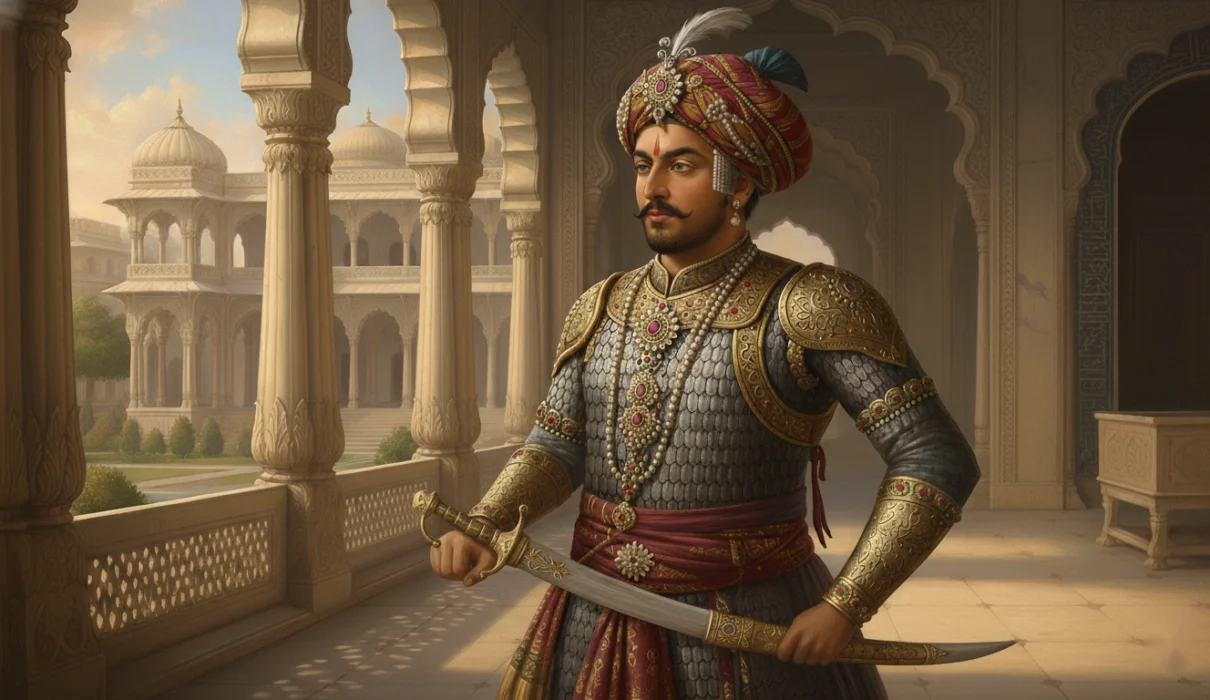
Mughal rulers valued weapons highly. Emperors often carried beautifully decorated swords as part of their royal dress.
Main Swords Used in the Mughal Era
1. Talwar – The Iconic Mughal Sword
The talwar was the most famous sword of the Mughal period. It became the standard curved sword of North India.
Key Features:
- Curved single-edged blade
- Disc-shaped pommel
- Short crossguard
- Light and fast handling
The curved blade made it perfect for slashing attacks from horseback. When a cavalry soldier swung the talwar while riding at high speed, it could cause deep cutting wounds.
Talwars were often made from high-quality steel and sometimes decorated with gold inlay, gems, or fine engravings.
The word “talwar” later became a general term for Indian curved swords.
2. Shamshir – Persian Influence
The Mughal court had strong cultural links with Persia. One of the Persian swords adopted in India was the shamshir.
The shamshir had:
- A more deeply curved blade than the talwar
- Slim and elegant shape
- Very sharp edge
This sword was ideal for fast slashing cuts. It was lighter and slightly different in balance compared to many Indian talwars.
The Mughal elite and nobles often owned shamshirs, especially in the early period when Persian culture strongly influenced the court.
3. Khanda – The Traditional Indian Straight Sword
The khanda was an older Indian sword that was used even before the Mughal Empire. However, it continued to be used during the Mughal period.
Features of the Khanda:
- Straight, double-edged blade
- Broad tip
- Strong spine
- Basket-style or protective hilt
Unlike the curved talwar, the khanda was better for powerful chopping and thrusting. It was heavier and built for strength.
Many Rajput warriors used the khanda. The Rajputs served both as allies and opponents of the Mughals at different times.
4. Zulfiqar Style Blades
Some Mughal swords were inspired by the legendary split-tip sword known as Zulfiqar in Islamic tradition. While not common in regular warfare, artistic versions of split-tip blades were sometimes created for ceremonial or symbolic use.
These swords had religious and symbolic meaning rather than practical battlefield use.
5. Firangi – The European Blade Sword
The Mughal period also saw trade with Europe. One interesting result was the firangi sword.
“Firangi” means foreigner.
This sword used imported European straight blades mounted on Indian-style hilts. Many of these blades came from Portugal or other European regions.
The firangi had:
- Long straight blade
- Strong thrusting ability
- Indian hilt design
It became popular among some Mughal warriors who preferred straight blades for thrusting combat.
Steel Used in Mughal Swords
One of the most important parts of Mughal swords was the steel.
Wootz Steel
Many high-quality Mughal swords were made from Indian crucible steel known today as Wootz steel. This steel was famous for:
- Excellent edge retention
- Flexibility
- Strength
- Unique surface patterns
Wootz steel from India was exported to the Middle East and became the base material for what Europeans later called Damascus steel.
Mughal swordsmiths valued this steel because it allowed them to create blades that were sharp, strong, and long-lasting.
Sword Design and Craftsmanship
Mughal swords were not just weapons. They were works of art.
Blade Decoration
Blades were often decorated with:
- Gold inlay (koftgari work)
- Quranic verses
- Floral designs
- Royal names and titles
Hilts and Handles
Hilts were made from:
- Steel
- Jade
- Ivory
- Gold
- Silver
Emperors like Shah Jahan were known for their love of beauty and detail. During his reign, weapon decoration reached very high artistic levels.
Royal swords sometimes had gemstones such as emeralds, rubies, or diamonds set into the hilt.
How Mughal Swords Were Used in Battle
Cavalry Warfare
The Mughal army depended heavily on cavalry. Horse-mounted soldiers used curved swords like the talwar for powerful slashing attacks.
The curve helped the blade cut smoothly while moving past the enemy.
Close Combat
Even though firearms existed, battles often ended in close combat. Swords were quicker to use at short range compared to reloading guns.
Duel and Personal Combat
Swords were also used in duels and personal defense. Nobles trained in sword fighting as part of their martial education.
Training and Martial Skills
Warriors were trained in:
- Sword fighting techniques
- Horse riding
- Archery
- Wrestling
In India, traditional martial systems such as shastra vidya included sword training. Skill with the blade was considered a sign of bravery and honor.
Cultural and Royal Importance
Swords were more than weapons. They were symbols.
Symbol of Power
Mughal emperors often wore swords as part of royal dress. A sword showed authority and military strength.
When a noble was honored, he might receive a sword from the emperor as a gift. This was a sign of trust and status.
Ceremonial Use
Swords were used in:
- Royal court ceremonies
- Coronations
- Diplomatic gifts
Decorated swords were part of royal collections and treasures.
Differences Between Mughal and Other Swords
Mughal vs European Swords
European swords of the same period were often straighter and designed for thrusting, especially rapiers.
Mughal swords were mostly curved and built for slashing from horseback.
Mughal vs Ottoman and Persian Swords
Ottoman and Persian swords were also curved. However:
- Indian talwars usually had a distinct disc pommel.
- Blade curvature varied slightly.
- Decoration styles reflected Indian art traditions.
Famous Mughal Emperors and Their Swords
Babur
Babur brought Central Asian military traditions to India. His forces used curved swords along with bows and matchlocks.
Akbar
Akbar expanded the empire greatly. He respected Rajput warriors and adopted many Indian military styles. His court supported skilled weapon makers.
Shah Jahan
Under Shah Jahan, swords became highly decorative. Many surviving Mughal swords in museums today come from this artistic period.
Aurangzeb
Aurangzeb focused more on military campaigns. Functional battlefield swords were widely used during his long rule.
Mughal Swords in Museums Today
Today, Mughal swords can be seen in:
- Indian museums
- British collections
- Private arms collections
They are valued for both history and craftsmanship. Some pieces are worth thousands or even millions of dollars depending on condition and royal connection.
Collecting Mughal Swords Today
Collectors look at:
- Blade quality
- Steel type
- Pattern on the blade
- Authenticity
- Provenance
- Condition
Because many replicas exist in the market, buyers must be careful. Authentic Mughal swords are rare and valuable.
Legacy of Mughal Swords
Even after the Mughal Empire declined in the 18th century, the design of the talwar continued across India.
Modern ceremonial swords used in weddings or military parades still follow Mughal-era designs.
The curved Indian sword remains one of the most recognized historical weapons in South Asia.
Conclusion
Swords used in the Mughal era were more than simple weapons. They were symbols of power, art, culture, and military strength.
From the curved talwar to the elegant shamshir and strong khanda, each sword had a specific purpose. The use of high-quality Indian steel made these weapons strong and reliable.
The Mughal Empire combined Central Asian, Persian, and Indian traditions to create a unique style of sword that is still admired today.
Whether studied by historians, collectors, or martial artists, Mughal swords remain an important part of India’s rich heritage.
